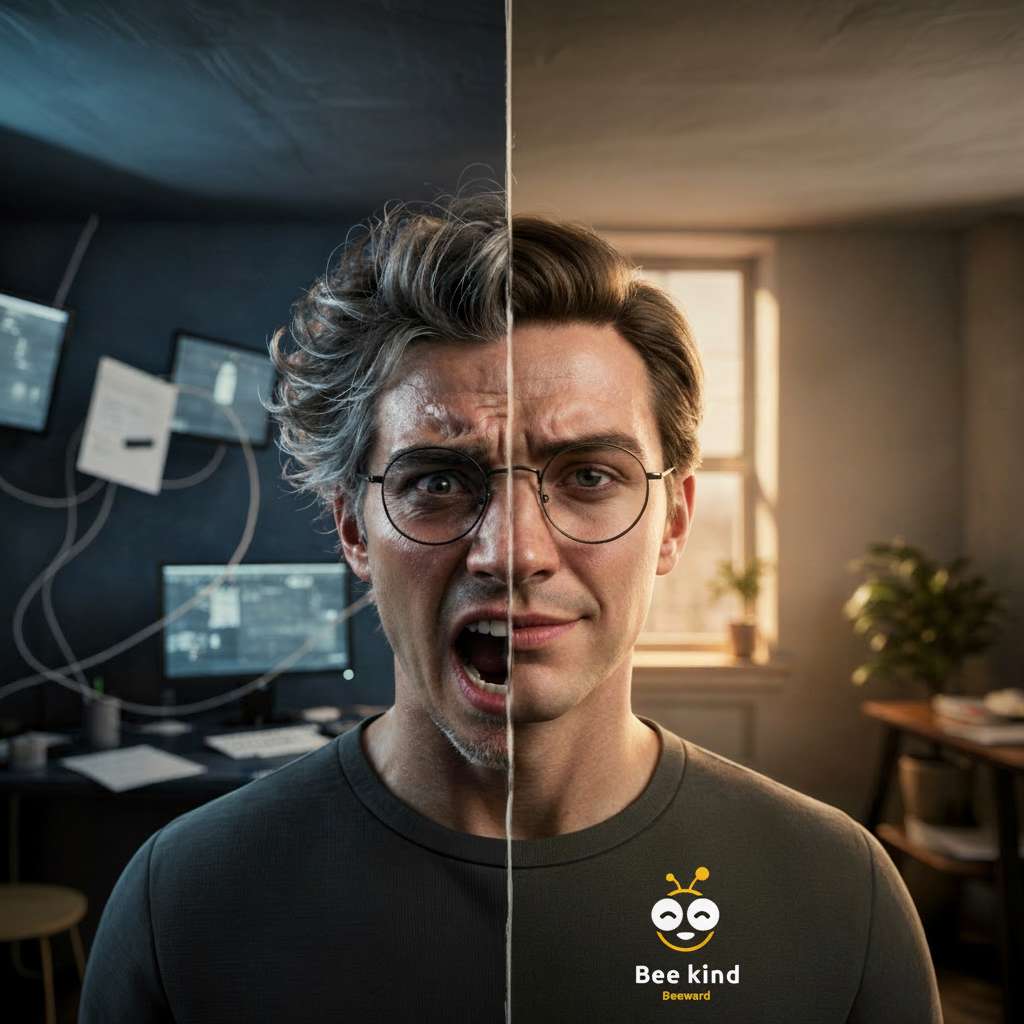

From a management perspective, it is increasingly difficult to generations meeting the changing needs of. Not surprisingly, we regularly encounter this issue in many different lights. The question is, of course. based purely on age generalise about certain groups, but there is no doubt that generational research can help us understand workers.
Bringing together the general characteristics of generations X, Y and Z three employee profiles were described in order totake a step closer to group thinking and your needs.
Why is this important?
Knowledge of workers is essential for increase satisfaction and engagementwith the important goal of finding and retaining the people who are valuable to us.
To illustrate the differences between the generations, three (fictional) the average working day of a worker:
Andrea (42)
commercial manager
I have been with the company for 19 years and I am happy with my current position.
GENERATION: X (1964-1981)
FAMILY HOUSE: She lives in a family house with her husband and two children
USE OF TOOLS:
-
- Desktop: emails, news, webshops;
- Smartphones: email, Messenger, Facebook
On a typical working day, you...
6.30 Andrea's alarm is sounding. They get up early to the whole family can get ready in comfort. Breakfast and departure.
7.30-8.00 He drives to work in his comfortable caravan, dropping the children off at school on the way.
8.00-9.00 Over a coffee turns on your office computer and checks your email.
9.00-12.00 Meetings with colleagues and clients (in person and on the phone).
12.00-12.30 After meetings, you have lunch with colleagues in the office canteen and then return to work.
12.30-16.00 You meet clients in the afternoon and finish your office work for the day at the end of the day.
16.00-18.00 From his workplace, he goes shopping at the well-established department store. If time permits, he also stops off at a few boutiques.
from 18.00 Spending quality time with your family at home, so they have dinner together, cook for the next day, talk or watch TV.
Thomas (32)
key account manager
I've been in my current job for 2 years. A week ago I updated my LinkedIn profile...
GENERATION: Y (1982-1995)
FAMILY HOUSE: HE AND HIS WIFE LIVE IN THEIR OWN FLAT AND ARE EXPECTING THEIR FIRST CHILD
USE OF TOOLS:
- Smartphone: email, Viber, Messenger, Instagram, LinkedIn
- Laptop: emails, news, webshops
- TV: YouTube, Netflix
On a typical working day, you...
7.00-8.00 Tamás tries to wake up in time to be woken by his phone. Before he gets out of bed, he checks his notifications.
8.00-9.30 If not working in a home office, you can drive or cycle to work. Comfort and speed are key!
9.30-13.00 He works on a laptop in the office and stay in touch on your smartphone.
Reads the news on arrival before starting work, typically manages his/her own tasks, prefers technological and telecommunication tools that allow flexible working.
13.00-14.00 When time allows, he quickly grabs a quick lunch, while of course also managing his work with the help of his smartphone.
15.00-16.00 Once or twice a week, he goes to a nearby gym.
16.00-19.00 He spends the evening at home, because he took me home from work. Since he is always online, he does his shopping that way when he can.
19.00 In the evening, he downloads and watches the latest episode of the series he is currently consuming.
Viki (23)
consumer insight specialist
I've been working for the organisation for 6 months, I'm still looking for the ideal job, but I'm also thinking seriously about starting my own business.
Generation: Z (1996-2009)
Family background: single, moved 1 year ago to a rented flat 20 minutes by scooter from work
Use of tools:
- Smartphone: Snapchat, Instagram, Spotify
- Smartwatch
- Laptop: emails, webshops
- Tablet: films, webshops
On a typical working day, you...
7.30-8.00 According to your watch in the morning,
8.00-9.00 because you take care of your health, you eat breakfast at home or at the office. If she can, she chooses fairtrade coffee and carries it in her own cup, checks her Instagram page and watches a few YouTube videos before she leaves for work.
9.00-10.00 Rides a scooter to workbecause it is a quick and environmentally friendly solution.
from 10.00 flexible working hours, so you only go to the office when you are in cooperation with your project team, otherwise Manage your work on Trello and Slack. He has recently subscribed to an online course, in which he works through 10-minute videos. With friends Snapchat-is in constant contact,
19.00 you can meet in the evenings in the city centre. They choose a place without straws.
22.00 loads a movie from Netflix before bedtime.
Of course, the descriptions outlined above do not apply to all members of the generations concerned, but illustrate the different mindsets, needs and consumption patterns that are shaped by economic, technological and environmental conditions.
Of course, diversity can be seen as a potential source of conflict, or we can think of generations with different backgrounds and individual perspectives that can benefit the company as a resource. In the latter case, the emphasis is on the importance of exploitation.
To summarise, the table below shows side by side the munitionswhich can be used to strengthen the company, if used wisely by the manager:
| Gen X | Gen Y | Gen Z | |
| values | work-life balance | valuable work, continuous feedback | stability, transparency, sustainability, experiences |
| Features | sceptical and independent | open and flexible | positive and conscious |
| communications | personal | text messages (instant message) | social media text messages (instant message) |
| Tools | desktop computer smartphone | smartphone + laptop tablet | smartwatch smartphone + "Siri" tablet/ laptop |